
 Facebook
 X
 Pinterest
 Copy Link
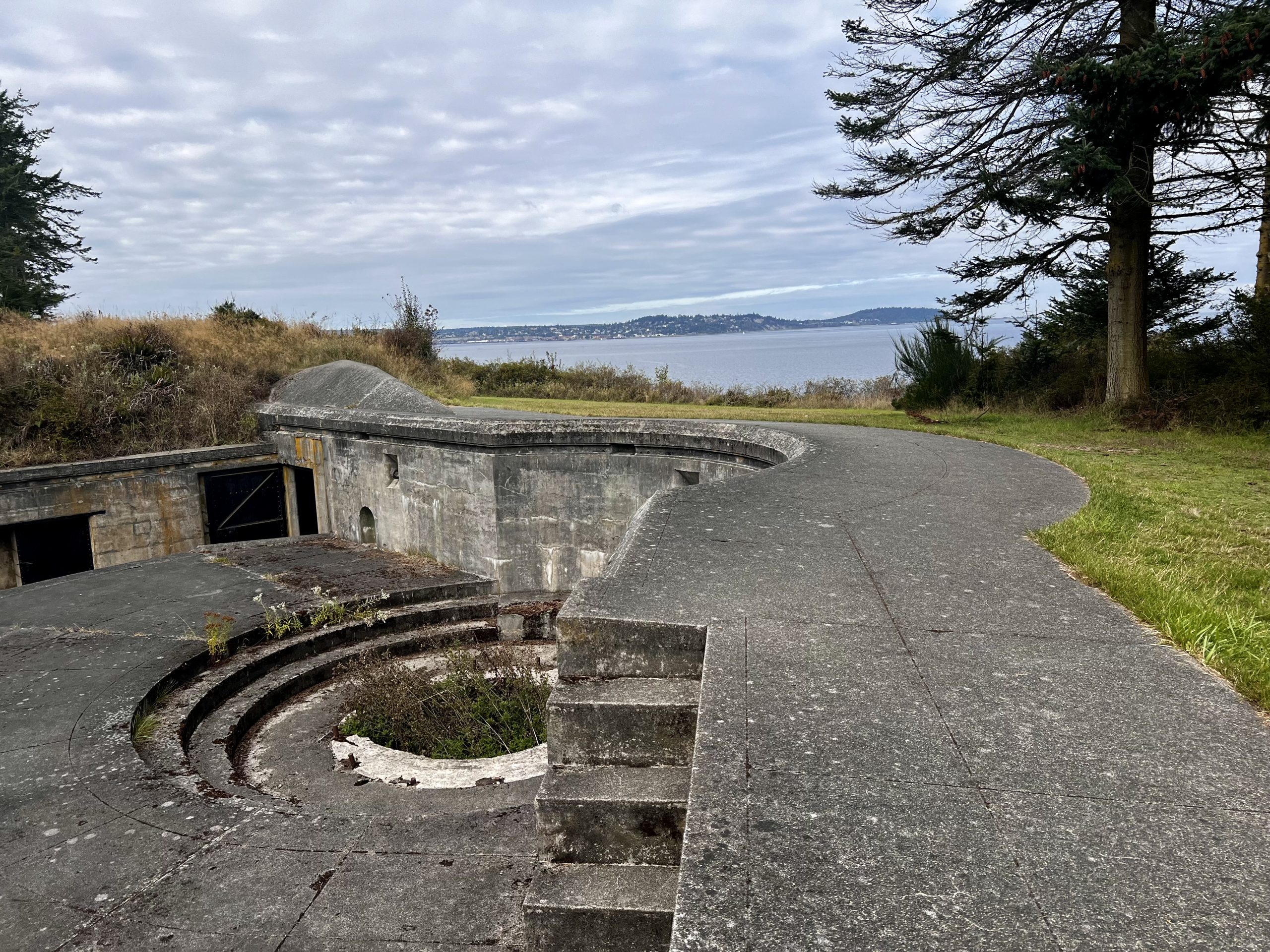
Looking for a fun excuse to get outside while we still have some beautiful fall days? How about exploring a few historic military sites around Puget Sound?
You’ll find massive concrete gun batteries, underground rooms, old military buildings, and some pretty spectacular waterfront views. You might even discover a little Hollywood history along the way. Remember An Officer and a Gentleman, starring Richard Gere? Yep, parts of that movie were filmed right here in our corner of Washington!
These forts once helped defend Puget Sound. Today, they’re wonderful places to wander, take photos, enjoy a beach walk, and imagine what life was like when the biggest concern was an enemy ship rather than finding a parking spot.
Here are five places worth adding to your local adventure list.
1. Manchester State Park: The fort you might not know about
Just outside Port Orchard, Manchester State Park has a fascinating military history hiding among its picnic areas and waterfront views.
Originally established as a military reservation around 1900, the site helped protect the Bremerton shipyard. Its defenses included an underwater minefield in Rich Passage.
The park still has a historic brick torpedo warehouse—although “torpedo” was the term used at the time for underwater mines—as well as a small concrete building associated with the mine-control system.
Here’s the twist: the guns planned for the site’s battery were never installed. Apparently, even military projects can have a few unfinished details!
Today, the former torpedo warehouse serves as a picnic shelter. It’s a lovely place to enjoy the water while imagining a rather different purpose for the property.
Worth the trip for: A quieter history stop, waterfront scenery, and a reminder that military history isn’t always found in a giant fort. It’s also a great spot to go camping and do a little trail-walking.
Plan your visit to Manchester State Park
2. Fort Casey: Big guns and a lighthouse
Located on Whidbey Island near the Keystone ferry terminal, Fort Casey is one of the region’s best-known historic coastal-defense sites.
Its enormous concrete batteries were built to protect the entrance to Puget Sound. The fort once held impressive artillery, including guns designed to retract behind protective concrete walls after firing.
Despite all that firepower, the guns were never fired against an enemy in combat. Changing military technology eventually made the coastal defenses obsolete.
Today, you can explore the battery grounds, enjoy views of Admiralty Inlet, and visit the nearby Admiralty Head Lighthouse when it’s open.
Worth the trip for: Military history, ferry watching, beach exploring, and lighthouse photos. It’s a great combination of history and scenery.
3. Fort Ebey: A World War II secret hiding in plain sight
Also on Whidbey Island, Fort Ebey represents a later chapter in Puget Sound’s military history.
Established during World War II, the fort’s Battery 248 was designed with newer technology, including radar and camouflage intended to conceal the installation from enemy aircraft.
Two six-inch guns were installed in 1943. They could fire projectiles weighing 108 pounds at targets up to 15 miles away. Thankfully, they were never fired at an enemy target.
The guns are gone, but the concrete gun emplacement and underground rooms remain. Bring a flashlight or headlamp if you want to explore the darker areas where access is permitted.
And when you’re finished playing amateur military historian, there’s plenty more to enjoy: wooded trails, beach access, picnic spots, and expansive views toward the Strait of Juan de Fuca and the Olympic Mountains.
Worth the trip for: World War II history, hiking, dramatic coastal scenery, and sunsets that may make you forget to check your phone.
4. Fort Flagler: History with a side of beach time
Fort Flagler Historical State Park sits on Marrowstone Island, surrounded on three sides by saltwater. Built in the late 1890s, it was part of the network of forts guarding the entrance to Puget Sound.
The park preserves historic gun batteries, military buildings, and the former military hospital. A museum offers additional insight into the people who lived and worked here.
But you don’t have to be a history buff to love Fort Flagler. There are wooded trails, beaches, wildlife, picnic spots, and beautiful views of Puget Sound and the surrounding mountains.
You could spend the morning exploring old military structures and the afternoon beachcombing. Or reverse the order. You’re on vacation from your usual routine, after all.
Worth the trip for: A full day of exploring, photography, shoreline walks, and a fascinating glimpse into the region’s military past.
Plan your visit to Fort Flagler
5. Fort Worden: Tunnels, big guns & a little Hollywood history
Not far from Fort Flagler, near Port Townsend, Fort Worden is a destination in its own right. It was one of three major forts positioned to defend the entrance to Puget Sound, alongside Fort Casey and Fort Flagler.
Together, those three installations formed the coastal-defense network often called the Triangle of Fire. Their overlapping gun positions were designed to make it difficult for hostile ships to enter the Sound.
Today, Fort Worden’s historic batteries, military buildings, beaches, and forested areas offer plenty to explore. You can wander around the old concrete gun emplacements, take in the views, visit museums, or head down to the beach.
But here’s a fun fact you might not know: Fort Worden was also a Hollywood filming location!
Remember An Officer and a Gentleman, the 1982 movie starring Richard Gere, Debra Winger, and Louis Gossett Jr.? Several memorable scenes were filmed at Fort Worden, which stood in for the Navy’s officer-candidate training school. The historic batteries and old blimp hangar were among the locations used in the film.
The filmmakers couldn’t shoot at the actual training school in Pensacola, Florida, so they brought Hollywood to Washington instead. The former blimp hangar is now McCurdy Pavilion, a performing arts venue.
So, as you’re exploring those historic military structures, you can imagine a little movie magic happening there, too. Just don’t expect Richard Gere to come marching around the corner!
Worth the trip for: Military history, Hollywood trivia, beaches, impressive historic structures, and enough to explore to fill a full day. You can even finish your outing with a stroll through Port Townsend’s charming downtown shops and restaurants.
Plan your visit to Fort Worden
A little history connects them all
These sites weren’t built simply because someone thought concrete bunkers would look good along the waterfront.
In the late 1800s and early 1900s, military planners were concerned about protecting Puget Sound, its ports, and the Bremerton naval shipyard. Coastal forts used heavy artillery, strategic positioning, and—in Manchester’s case—an electrically controlled underwater minefield.
As aircraft, longer-range weapons, and other military technologies advanced, the old defenses became less effective. Their original purpose faded, but the structures survived to tell the story.
Today, they protect something rather different: our opportunities to explore local history, enjoy the outdoors, and appreciate the beautiful region we call home.
Before you go
A few tips to make your outing more enjoyable:
- Check current hours. Museums, lighthouse visits, and guided tours may have seasonal schedules.
- Bring a Discover Pass or check parking requirements. Washington State Parks generally require a pass or applicable day-use fee.
- Dress for the waterfront. A sunny day can still mean a chilly breeze.
- Wear sturdy shoes. Historic concrete structures and uneven ground aren’t the place for your favorite slippery sandals.
- Bring a flashlight. It can be useful in dark historic battery rooms, where access is permitted.
- Leave time for the scenery. These parks are just as memorable for their beaches, wildlife, and views as for their history.
Which fort will you visit first?
One of the best things about living around Gig Harbor is that an interesting day trip is never too far away. Whether you’re drawn to old military installations, coastal trails, photography, or simply an excuse to enjoy a beautiful fall day, these historic sites offer something a little different.
So before the weather turns soggy, pick a fort, pack a jacket and maybe a lunch, and head out for a little adventure.
Have you visited any of these historic sites? Which one is your favorite—or which one have you been meaning to explore? I’d love to hear your thoughts.
